"Efficiency and Power: How Jets and Electronics Elevate Area Formulas and Calculations"
Category : | Sub Category : Posted on 2024-10-05 22:25:23
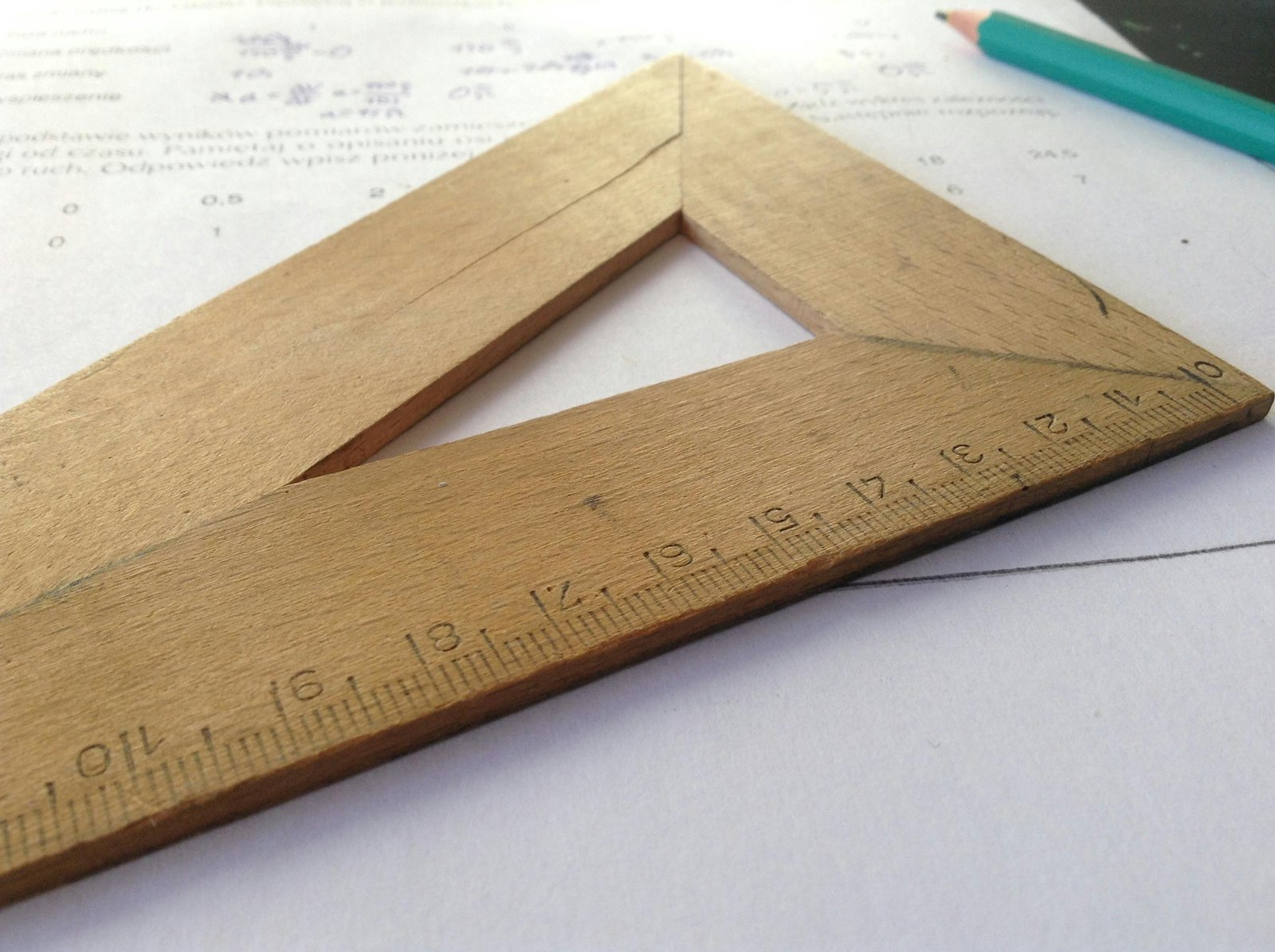
In the realm of Electronic products and area formulas, the inclusion of jets can greatly enhance efficiency and power in calculations, measurements, and various applications. The fusion of advanced electronics and innovative jet technology has revolutionized the way we compute, create, and analyze data. Let's delve deeper into how these components work together to elevate the field of area formulas and calculations. Electronic products such as calculators, computers, and specialized devices have long been fundamental tools in mathematical and scientific calculations. These devices have streamlined complex computations, making them faster and more accurate than ever before. By leveraging the power of electronics, mathematicians and scientists can tackle intricate area formulas and calculations with ease and precision. Jets, on the other hand, bring a dynamic element to the equation. Whether in the form of jet engines, jet propulsion systems, or fluid dynamics applications, jets embody speed, force, and controlled motion. When integrated with electronic products, jets can enhance the processing speed and overall performance of calculations by providing a propulsion boost that accelerates data processing and analysis. One area where the synergy of jets and electronics shines is in the calculation of aerodynamic forces and fluid dynamics. By utilizing jet technology to simulate airflow patterns and pressure distributions, engineers and researchers can develop advanced area formulas that model and predict the behavior of fluids in motion. The incorporation of electronic sensors and data processing units further refines these calculations, allowing for real-time analysis and adjustments. In the field of space exploration and satellite technology, jets play a vital role in maneuvering spacecraft and adjusting orbits. Electronic systems onboard these vehicles work in tandem with jet propulsion systems to calculate precise trajectories, optimal thrust patterns, and fuel efficiency. By integrating area formulas that account for gravitational forces, atmospheric conditions, and orbital mechanics, scientists can plot complex flight paths with accuracy and reliability. Moreover, the marriage of jets and electronics extends to robotics, automation, and advanced manufacturing processes. Robots equipped with jet-powered actuators can perform intricate tasks with speed and agility, while electronic control systems ensure precision and coordination. By applying sophisticated area formulas and calculation algorithms, engineers can design robotic systems that optimize efficiency, minimize errors, and maximize productivity. In conclusion, the convergence of jets and electronic products has redefined the landscape of area formulas and calculations, unlocking new possibilities and pushing the boundaries of innovation. From aerodynamics to robotics, this symbiotic relationship amplifies the power and efficiency of mathematical computations, enabling us to explore, discover, and create with greater precision and speed. As technology continues to evolve, the fusion of jets and electronics will undoubtedly shape the future of scientific exploration and computational science.
Leave a Comment:
SEARCH
Recent News
- Zurich, Switzerland is known for its cutting-edge technology and research in various fields, including the study of the subconscious mind and robot learning. In recent years, research has delved into the intersection of these two areas, exploring how the principles of the subconscious mind can be applied to enhance robot learning and intelligence.
- In the cutting-edge city of Zurich, Switzerland, the development of robotics is taking a fascinating turn as researchers delve into the realm of subconscious influence on robot emotions. It may sound like something out of a sci-fi movie, but studies have shown that the way humans interact with robots can deeply impact their emotional responses.
- Zurich, Switzerland is renowned for its beautiful scenery, rich history, and financial prowess. With a strong economy and a high standard of living, Zurich is a popular destination for both tourists and businesses alike. For companies looking to invest in Zurich, one key tool that can help in decision-making is the ROI (Return on Investment) calculator.
- When planning for retirement, one of the key factors to consider is how much income you will need to maintain your desired lifestyle. Retirement income calculators can be valuable tools in helping you estimate your expenses and determine how much savings you will need to retire comfortably.
- Zurich, Switzerland: A City of Beauty, Culture, and Memes in Digital Communications.
- Zurich, Switzerland is not only known for its stunning views, vibrant culture, and high standard of living, but also for its strong emphasis on mathematics education. With a rich history in the field of mathematics and a commitment to excellence in STEM (Science, Technology, Engineering, and Mathematics) education, Zurich has established itself as a hub for mathematical research and innovation.
- Zurich, Switzerland is known for its strong economy, stable political environment, and favorable tax system, making it an attractive location for investments. As an investor in Zurich, it is essential to understand how investment taxes are calculated to maximize your returns and comply with local regulations.
- The intersection of YouTube content creation, translation, the subconscious mind, and robot learning may seem like an unlikely combination at first glance. However, upon closer examination, we can uncover interesting connections and potential opportunities for content creators and learners alike.
READ MORE
9 months ago Category :

Zurich, Switzerland is known for its cutting-edge technology and research in various fields, including the study of the subconscious mind and robot learning. In recent years, research has delved into the intersection of these two areas, exploring how the principles of the subconscious mind can be applied to enhance robot learning and intelligence.
Read More →9 months ago Category :

In the cutting-edge city of Zurich, Switzerland, the development of robotics is taking a fascinating turn as researchers delve into the realm of subconscious influence on robot emotions. It may sound like something out of a sci-fi movie, but studies have shown that the way humans interact with robots can deeply impact their emotional responses.
Read More →9 months ago Category :

Zurich, Switzerland is renowned for its beautiful scenery, rich history, and financial prowess. With a strong economy and a high standard of living, Zurich is a popular destination for both tourists and businesses alike. For companies looking to invest in Zurich, one key tool that can help in decision-making is the ROI (Return on Investment) calculator.
Read More →9 months ago Category :
