Jets in Sweden: Area Formulas and Calculations
Category : | Sub Category : Posted on 2024-10-05 22:25:23
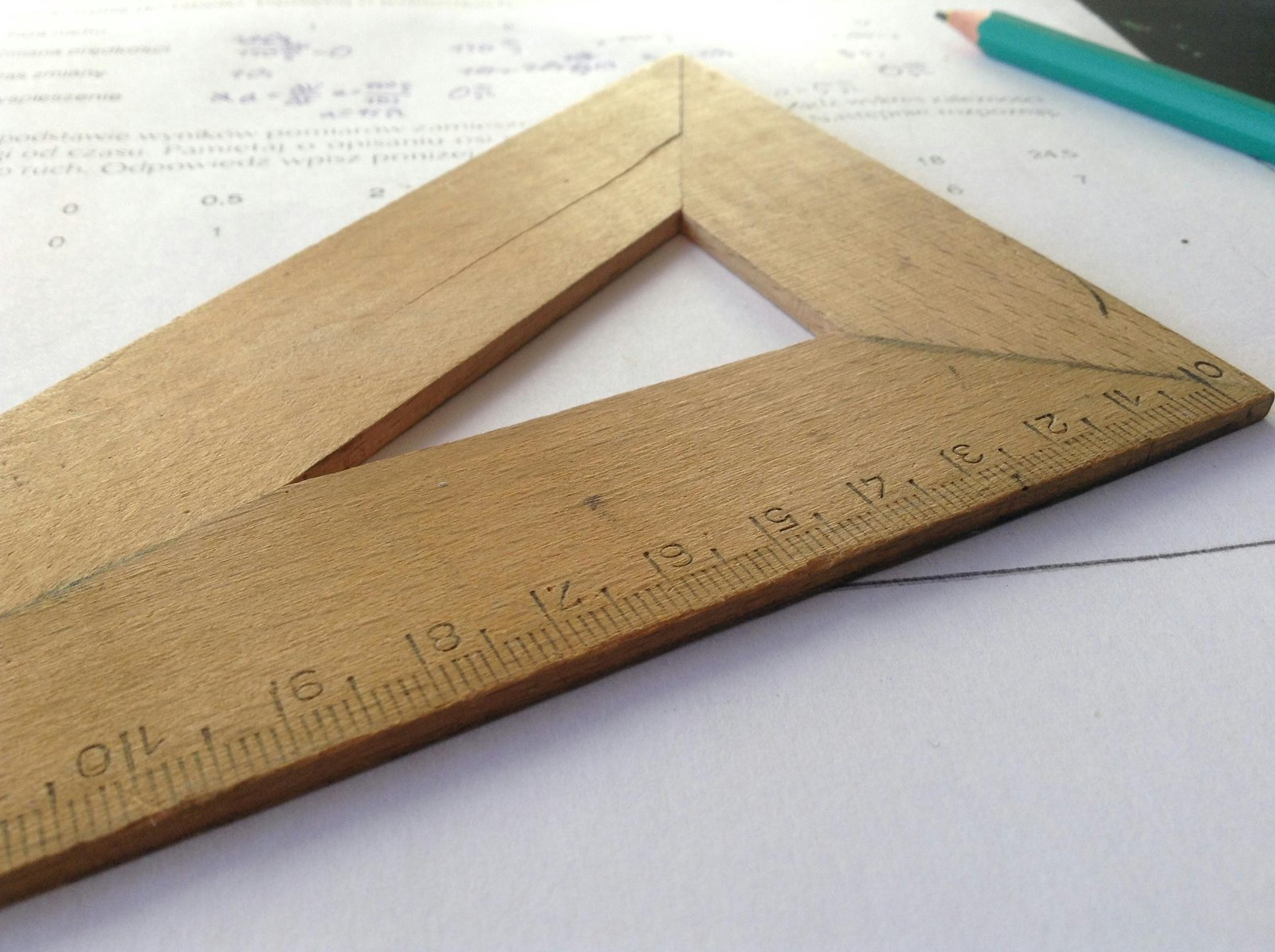
When it comes to aviation, Sweden is known for its impressive range of jets that grace the skies. From military fighter jets to commercial passenger planes, the country has a rich history of aerospace technology. In this blog post, we will explore some area formulas and calculations related to jets in Sweden. One of the key aspects in understanding jets is the concept of wing area. Wing area is a critical parameter that influences the performance of an aircraft. It is the total surface area of the wings exposed to the air during flight. The formula to calculate wing area is: Wing Area = Wing Span x Wing Chord Wing span is the distance from one wingtip to the other, while wing chord is the distance from the leading edge to the trailing edge of the wing. By multiplying these two values, we can determine the total wing area of a jet. For example, the Saab JAS 39 Gripen, a popular fighter jet developed in Sweden, has a wing span of approximately 8.4 meters and a wing chord of around 1.7 meters. Using the formula above, we can calculate the wing area of the Saab JAS 39 Gripen as: Wing Area = 8.4 meters x 1.7 meters = 14.28 square meters This means that the total wing area of the Saab JAS 39 Gripen is approximately 14.28 square meters, which plays a crucial role in determining its flight characteristics and capabilities. In addition to wing area, another important area calculation for jets is the frontal area. Frontal area is the total area seen by the air when looking at the jet head-on. It is a key factor in determining aerodynamic drag, which affects the jet's speed and fuel efficiency. The formula to calculate frontal area is: Frontal Area = π x (Diameter/2)^2 For instance, let's consider the Boeing 737, a widely used commercial jet that operates in Sweden. The Boeing 737 has a fuselage diameter of approximately 3.76 meters. Using the formula above, we can determine the frontal area of the Boeing 737 as: Frontal Area = π x (3.76 meters/2)^2 ≈ 11.13 square meters This indicates that the frontal area of the Boeing 737 is approximately 11.13 square meters, which is crucial for analyzing its aerodynamic performance and efficiency. In conclusion, understanding area formulas and calculations related to jets in Sweden provides valuable insights into their design, performance, and operational aspects. From wing area to frontal area, these calculations play a pivotal role in the development and optimization of various types of jets, contributing to the advancement of aviation technology in the country.
Leave a Comment:
SEARCH
Recent News
- Zurich, Switzerland is known for its cutting-edge technology and research in various fields, including the study of the subconscious mind and robot learning. In recent years, research has delved into the intersection of these two areas, exploring how the principles of the subconscious mind can be applied to enhance robot learning and intelligence.
- In the cutting-edge city of Zurich, Switzerland, the development of robotics is taking a fascinating turn as researchers delve into the realm of subconscious influence on robot emotions. It may sound like something out of a sci-fi movie, but studies have shown that the way humans interact with robots can deeply impact their emotional responses.
- Zurich, Switzerland is renowned for its beautiful scenery, rich history, and financial prowess. With a strong economy and a high standard of living, Zurich is a popular destination for both tourists and businesses alike. For companies looking to invest in Zurich, one key tool that can help in decision-making is the ROI (Return on Investment) calculator.
- When planning for retirement, one of the key factors to consider is how much income you will need to maintain your desired lifestyle. Retirement income calculators can be valuable tools in helping you estimate your expenses and determine how much savings you will need to retire comfortably.
- Zurich, Switzerland: A City of Beauty, Culture, and Memes in Digital Communications.
- Zurich, Switzerland is not only known for its stunning views, vibrant culture, and high standard of living, but also for its strong emphasis on mathematics education. With a rich history in the field of mathematics and a commitment to excellence in STEM (Science, Technology, Engineering, and Mathematics) education, Zurich has established itself as a hub for mathematical research and innovation.
- Zurich, Switzerland is known for its strong economy, stable political environment, and favorable tax system, making it an attractive location for investments. As an investor in Zurich, it is essential to understand how investment taxes are calculated to maximize your returns and comply with local regulations.
- The intersection of YouTube content creation, translation, the subconscious mind, and robot learning may seem like an unlikely combination at first glance. However, upon closer examination, we can uncover interesting connections and potential opportunities for content creators and learners alike.
READ MORE
9 months ago Category :

Zurich, Switzerland is known for its cutting-edge technology and research in various fields, including the study of the subconscious mind and robot learning. In recent years, research has delved into the intersection of these two areas, exploring how the principles of the subconscious mind can be applied to enhance robot learning and intelligence.
Read More →9 months ago Category :

In the cutting-edge city of Zurich, Switzerland, the development of robotics is taking a fascinating turn as researchers delve into the realm of subconscious influence on robot emotions. It may sound like something out of a sci-fi movie, but studies have shown that the way humans interact with robots can deeply impact their emotional responses.
Read More →9 months ago Category :

Zurich, Switzerland is renowned for its beautiful scenery, rich history, and financial prowess. With a strong economy and a high standard of living, Zurich is a popular destination for both tourists and businesses alike. For companies looking to invest in Zurich, one key tool that can help in decision-making is the ROI (Return on Investment) calculator.
Read More →9 months ago Category :
