Exploring Modern Cooking Technology: A Guide to Self-Study Area Formulas and Calculations
Category : | Sub Category : Posted on 2024-10-05 22:25:23
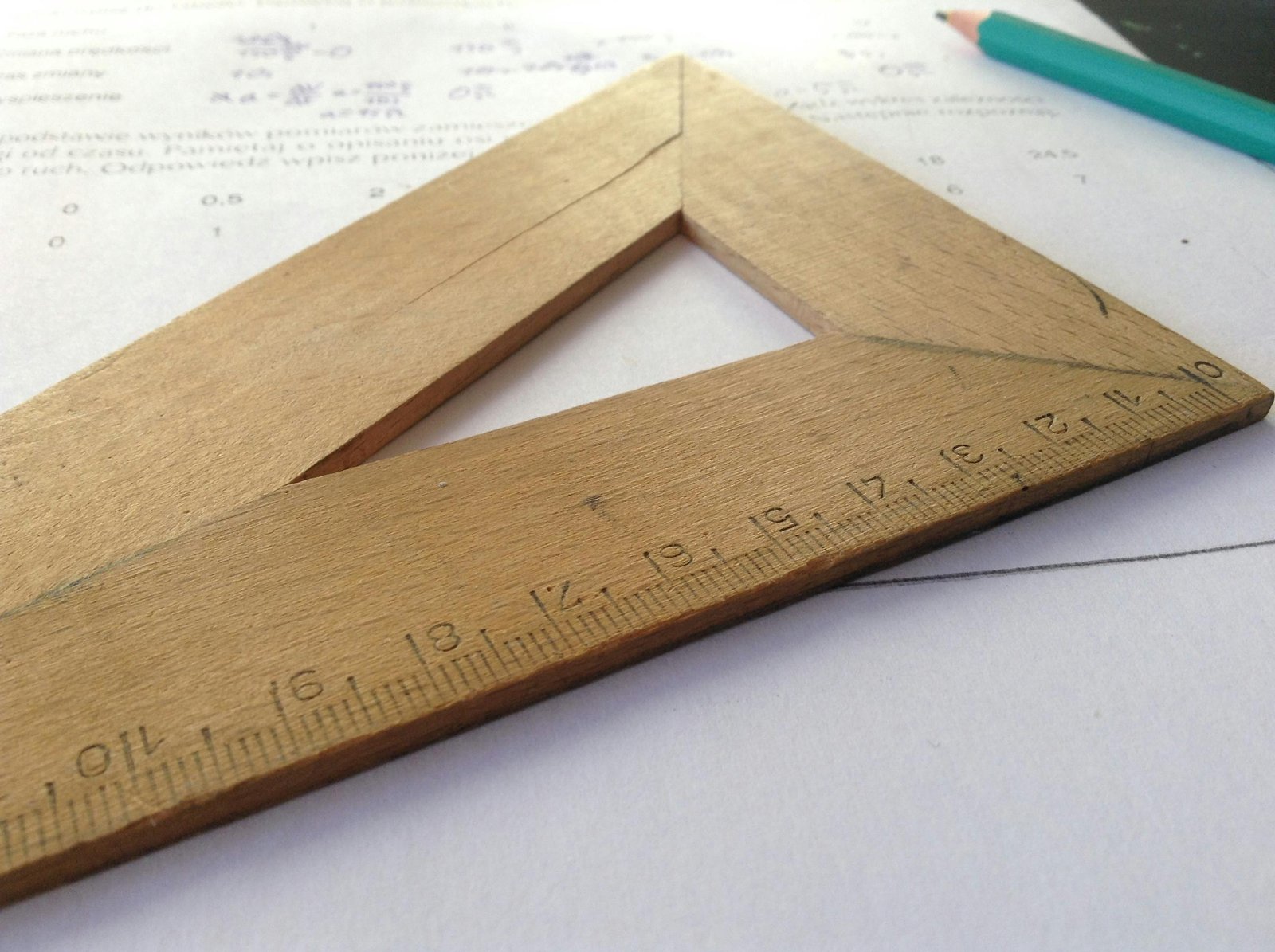
In today's rapidly advancing culinary world, modern cooking technology has revolutionized the way we approach food preparation. From precision cooking techniques to high-tech kitchen gadgets, staying ahead of the curve in the culinary industry requires a deep understanding of not only cooking methods but also the science behind them. One key aspect of this is mastering area formulas and calculations, which play a crucial role in creating perfectly balanced dishes and ensuring consistent results in the kitchen. self-study of area formulas and calculations may seem daunting to those without a background in mathematics or science, but with a bit of guidance and practice, anyone can enhance their culinary skills and knowledge. In this blog post, we will delve into the importance of area formulas and calculations in modern cooking and provide a beginner-friendly guide to getting started. Why are area formulas and calculations important in modern cooking technology? In modern cooking, precision is key. Whether you are working with sous vide cooking, molecular gastronomy, or baking, understanding area formulas and calculations allows you to accurately measure ingredients, adjust recipe quantities, and achieve the desired texture and consistency in your dishes. For example, knowing how to calculate the surface area of a pan or the volume of a saucepan can help you determine the correct cooking times and temperatures needed for a dish to turn out perfectly. Getting started with self-study in area formulas and calculations: 1. Start with the basics: Before diving into complex formulas, it's essential to have a solid understanding of basic mathematical concepts, such as multiplication, division, and fractions. Refreshing your knowledge of these fundamentals will make it easier to grasp more advanced calculations later on. 2. Research and practice: Take the time to research common area formulas used in cooking, such as the formula for calculating the area of a circle (πr^2) or the surface area of a cylinder (2πrh + 2πr^2). Practice applying these formulas to real-life cooking scenarios, such as determining the amount of frosting needed to cover a cake or calculating the cooking time required for a sous vide steak. 3. Utilize online resources: There are plenty of online resources available to help you self-study area formulas and calculations for cooking. Websites, blogs, and cooking forums often provide step-by-step guides, practice problems, and interactive tools to enhance your learning experience. 4. Experiment in the kitchen: The best way to solidify your understanding of area formulas and calculations is to put them into practice in the kitchen. Get hands-on experience by measuring ingredients precisely, scaling recipes up or down, and calculating cooking times based on surface areas and volumes. By mastering area formulas and calculations in the context of modern cooking technology, you can elevate your culinary skills and creativity to new heights. Whether you aspire to become a professional chef or simply enjoy experimenting with new recipes at home, a strong foundation in these mathematical principles will set you apart in the ever-evolving world of food and cooking. So roll up your sleeves, sharpen your pencils, and start exploring the fascinating intersection of math and gastronomy today! Expand your knowledge by perusing https://www.desencadenar.com
https://dernier.org
Leave a Comment:
SEARCH
Recent News
- Zurich, Switzerland is known for its cutting-edge technology and research in various fields, including the study of the subconscious mind and robot learning. In recent years, research has delved into the intersection of these two areas, exploring how the principles of the subconscious mind can be applied to enhance robot learning and intelligence.
- In the cutting-edge city of Zurich, Switzerland, the development of robotics is taking a fascinating turn as researchers delve into the realm of subconscious influence on robot emotions. It may sound like something out of a sci-fi movie, but studies have shown that the way humans interact with robots can deeply impact their emotional responses.
- Zurich, Switzerland is renowned for its beautiful scenery, rich history, and financial prowess. With a strong economy and a high standard of living, Zurich is a popular destination for both tourists and businesses alike. For companies looking to invest in Zurich, one key tool that can help in decision-making is the ROI (Return on Investment) calculator.
- When planning for retirement, one of the key factors to consider is how much income you will need to maintain your desired lifestyle. Retirement income calculators can be valuable tools in helping you estimate your expenses and determine how much savings you will need to retire comfortably.
- Zurich, Switzerland: A City of Beauty, Culture, and Memes in Digital Communications.
- Zurich, Switzerland is not only known for its stunning views, vibrant culture, and high standard of living, but also for its strong emphasis on mathematics education. With a rich history in the field of mathematics and a commitment to excellence in STEM (Science, Technology, Engineering, and Mathematics) education, Zurich has established itself as a hub for mathematical research and innovation.
- Zurich, Switzerland is known for its strong economy, stable political environment, and favorable tax system, making it an attractive location for investments. As an investor in Zurich, it is essential to understand how investment taxes are calculated to maximize your returns and comply with local regulations.
- The intersection of YouTube content creation, translation, the subconscious mind, and robot learning may seem like an unlikely combination at first glance. However, upon closer examination, we can uncover interesting connections and potential opportunities for content creators and learners alike.
READ MORE
9 months ago Category :

Zurich, Switzerland is known for its cutting-edge technology and research in various fields, including the study of the subconscious mind and robot learning. In recent years, research has delved into the intersection of these two areas, exploring how the principles of the subconscious mind can be applied to enhance robot learning and intelligence.
Read More →9 months ago Category :

In the cutting-edge city of Zurich, Switzerland, the development of robotics is taking a fascinating turn as researchers delve into the realm of subconscious influence on robot emotions. It may sound like something out of a sci-fi movie, but studies have shown that the way humans interact with robots can deeply impact their emotional responses.
Read More →9 months ago Category :

Zurich, Switzerland is renowned for its beautiful scenery, rich history, and financial prowess. With a strong economy and a high standard of living, Zurich is a popular destination for both tourists and businesses alike. For companies looking to invest in Zurich, one key tool that can help in decision-making is the ROI (Return on Investment) calculator.
Read More →9 months ago Category :
