Exploring Area Formulas and Calculations with Emotions in Pakistan
Category : | Sub Category : Posted on 2024-10-05 22:25:23
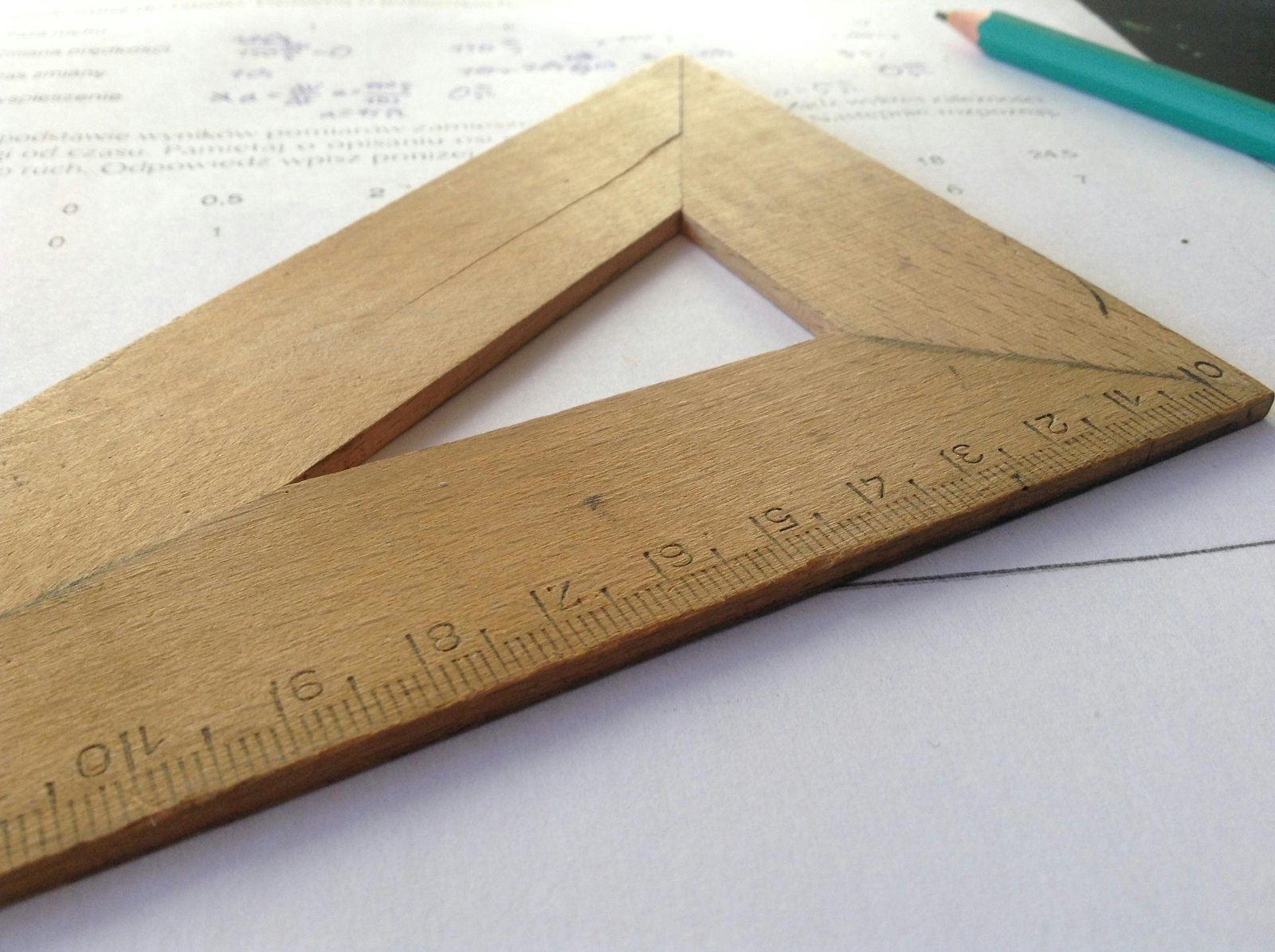
Pakistan is a country with a rich history, diverse culture, and breathtaking landscapes that captivate the heart. In this blog post, we will delve into the world of area formulas and calculations while exploring the emotional connection that Pakistan evokes. When it comes to calculating the area of various shapes and structures, mathematics plays a crucial role. From the vast plains of Punjab to the majestic mountains of the Karakoram Range, understanding area formulas helps us appreciate the scale and beauty of Pakistan's geography. Whether calculating the area of a field in Sindh or the footprint of a historical monument in Lahore, mathematics enables us to quantify and analyze the spaces around us. Let's start with some basic area formulas commonly used in mathematics: 1. Area of a Rectangle: To calculate the area of a rectangle, multiply its length by its width. The formula is Area = Length x Width. This formula can be applied to determine the size of agricultural fields in rural Pakistan or the dimensions of buildings in bustling cities like Karachi. 2. Area of a Circle: The area of a circle is determined by the formula Area = πr^2, where r is the radius of the circle. This formula can be used to measure the area of circular structures such as the iconic Badshahi Mosque in Lahore or the scenic lakes in the northern regions of Pakistan. 3. Area of a Triangle: The area of a triangle can be calculated using the formula Area = 1/2 x Base x Height. This formula is useful for measuring the area of triangular landmarks like the Khyber Pass or the unique architecture of traditional Pakistani homes. As we engage with these mathematical concepts, it's important to recognize the emotional significance of Pakistan's diverse landscapes and cultural heritage. From the bustling streets of Islamabad to the serenity of the Hunza Valley, Pakistan evokes a range of emotions – awe, joy, nostalgia, and pride. The intricate patterns of Pakistani embroidery, the melodious tunes of traditional music, and the warm hospitality of its people all contribute to the tapestry of emotions associated with this vibrant nation. In conclusion, by combining area formulas and calculations with emotions, we gain a deeper understanding and appreciation for the beauty of Pakistan. Mathematics not only helps us quantify the physical spaces around us but also provides a framework to explore the emotional resonance of a place. As we continue to unravel the mysteries of geometry and delve into the complexities of emotions, let's embrace the enchanting allure of Pakistan – a land where numbers, shapes, and sentiments intersect to create a tapestry of experiences that enrich our lives.
Leave a Comment:
SEARCH
Recent News
- Zurich, Switzerland is known for its cutting-edge technology and research in various fields, including the study of the subconscious mind and robot learning. In recent years, research has delved into the intersection of these two areas, exploring how the principles of the subconscious mind can be applied to enhance robot learning and intelligence.
- In the cutting-edge city of Zurich, Switzerland, the development of robotics is taking a fascinating turn as researchers delve into the realm of subconscious influence on robot emotions. It may sound like something out of a sci-fi movie, but studies have shown that the way humans interact with robots can deeply impact their emotional responses.
- Zurich, Switzerland is renowned for its beautiful scenery, rich history, and financial prowess. With a strong economy and a high standard of living, Zurich is a popular destination for both tourists and businesses alike. For companies looking to invest in Zurich, one key tool that can help in decision-making is the ROI (Return on Investment) calculator.
- When planning for retirement, one of the key factors to consider is how much income you will need to maintain your desired lifestyle. Retirement income calculators can be valuable tools in helping you estimate your expenses and determine how much savings you will need to retire comfortably.
- Zurich, Switzerland: A City of Beauty, Culture, and Memes in Digital Communications.
- Zurich, Switzerland is not only known for its stunning views, vibrant culture, and high standard of living, but also for its strong emphasis on mathematics education. With a rich history in the field of mathematics and a commitment to excellence in STEM (Science, Technology, Engineering, and Mathematics) education, Zurich has established itself as a hub for mathematical research and innovation.
- Zurich, Switzerland is known for its strong economy, stable political environment, and favorable tax system, making it an attractive location for investments. As an investor in Zurich, it is essential to understand how investment taxes are calculated to maximize your returns and comply with local regulations.
- The intersection of YouTube content creation, translation, the subconscious mind, and robot learning may seem like an unlikely combination at first glance. However, upon closer examination, we can uncover interesting connections and potential opportunities for content creators and learners alike.
READ MORE
9 months ago Category :

Zurich, Switzerland is known for its cutting-edge technology and research in various fields, including the study of the subconscious mind and robot learning. In recent years, research has delved into the intersection of these two areas, exploring how the principles of the subconscious mind can be applied to enhance robot learning and intelligence.
Read More →9 months ago Category :

In the cutting-edge city of Zurich, Switzerland, the development of robotics is taking a fascinating turn as researchers delve into the realm of subconscious influence on robot emotions. It may sound like something out of a sci-fi movie, but studies have shown that the way humans interact with robots can deeply impact their emotional responses.
Read More →9 months ago Category :

Zurich, Switzerland is renowned for its beautiful scenery, rich history, and financial prowess. With a strong economy and a high standard of living, Zurich is a popular destination for both tourists and businesses alike. For companies looking to invest in Zurich, one key tool that can help in decision-making is the ROI (Return on Investment) calculator.
Read More →9 months ago Category :
