Pakistan's DIY Aircraft: Exploring Area Formulas and Calculations
Category : | Sub Category : Posted on 2024-10-05 22:25:23
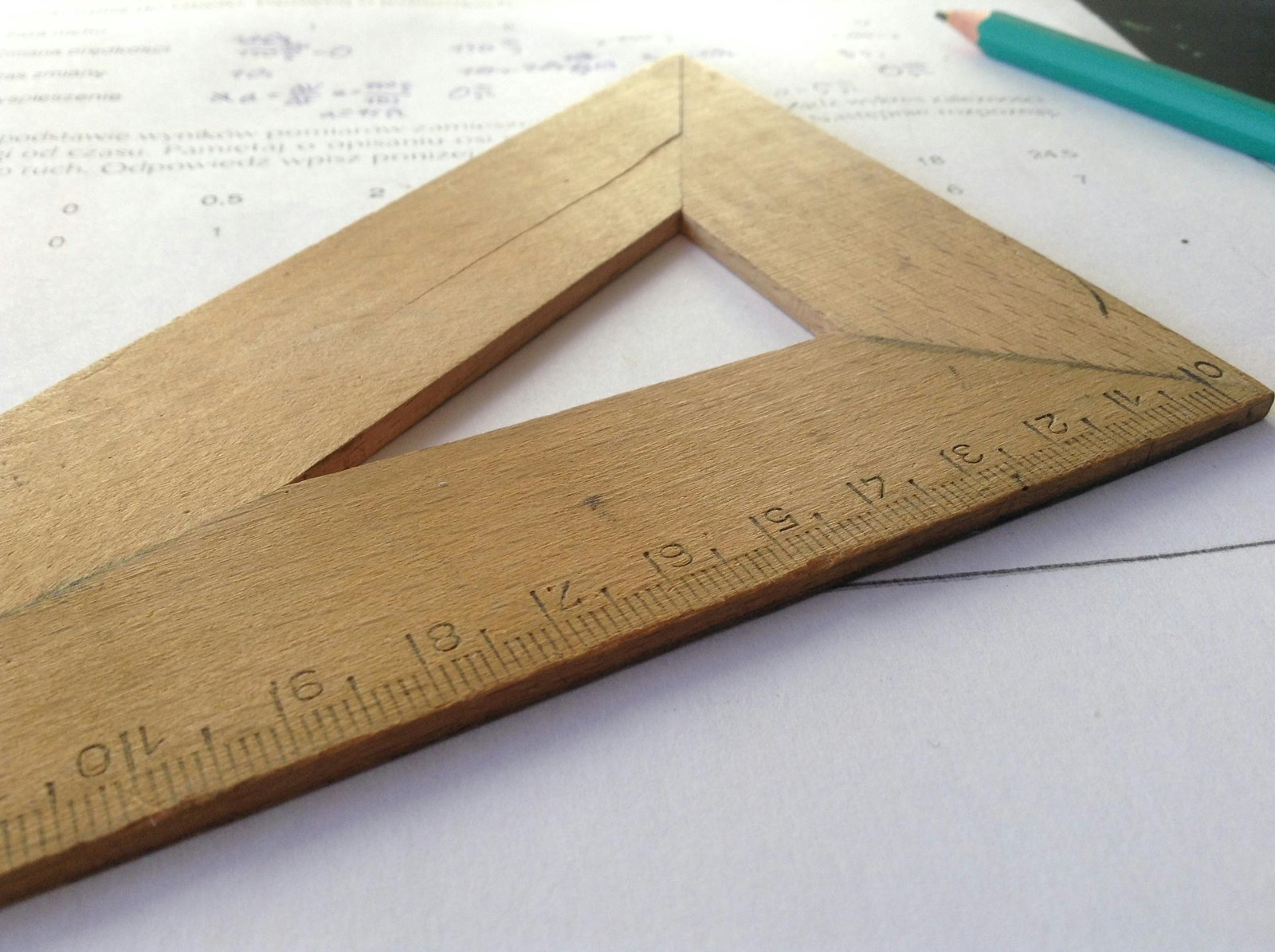
In recent years, Pakistan has seen a growing interest in the development of do-it-yourself (DIY) aircraft by aviation enthusiasts and hobbyists. These DIY aircraft projects range from building gliders to powered airplanes using materials and resources that are easily accessible. One key aspect of designing and constructing aircraft is understanding area formulas and calculations, which play a crucial role in determining the performance and efficiency of the aircraft. When it comes to designing the wings of an aircraft, the Wing Area formula is a fundamental calculation that engineers and enthusiasts need to consider. The wing area is the total surface area of the wings, which directly affects the lift generated by the aircraft. The formula for calculating the wing area of a rectangular wing is simply the product of its span (the distance from tip to tip) and its chord (the width of the wing from front to back). For a more complex wing shape, such as a trapezoidal wing, the calculation involves breaking down the wing into sections and using the trapezoid area formula for each section before summing them up to get the total wing area. This meticulous calculation ensures that the wing is designed to provide the necessary lift to support the aircraft in flight. In addition to the wing area, another important calculation in aircraft design is the Fuselage Cross-Sectional Area formula. The fuselage houses the cockpit, payload, and other essential components of the aircraft. The cross-sectional area of the fuselage is crucial for determining the drag force acting on the aircraft as it moves through the air. By calculating the fuselage's cross-sectional area, designers can optimize the aerodynamic performance of the aircraft and minimize drag. Moreover, area formulas come into play when determining the surface area of other components of the aircraft, such as the tail surfaces and control surfaces. These areas impact the stability, control, and maneuverability of the aircraft, making precise calculations essential for a safe and efficient flight. In conclusion, as Pakistan's DIY aircraft community continues to innovate and push the boundaries of aviation technology, a solid understanding of area formulas and calculations is paramount for designing and constructing safe and efficient aircraft. By mastering these calculations, enthusiasts can unleash their creativity and passion for aviation, contributing to the growth of DIY aircraft projects in the country. Have a look at https://www.svop.org Want a more profound insight? Consult https://www.mimidate.com To learn more, take a look at: https://www.tknl.org
Leave a Comment:
SEARCH
Recent News
- Zurich, Switzerland is known for its cutting-edge technology and research in various fields, including the study of the subconscious mind and robot learning. In recent years, research has delved into the intersection of these two areas, exploring how the principles of the subconscious mind can be applied to enhance robot learning and intelligence.
- In the cutting-edge city of Zurich, Switzerland, the development of robotics is taking a fascinating turn as researchers delve into the realm of subconscious influence on robot emotions. It may sound like something out of a sci-fi movie, but studies have shown that the way humans interact with robots can deeply impact their emotional responses.
- Zurich, Switzerland is renowned for its beautiful scenery, rich history, and financial prowess. With a strong economy and a high standard of living, Zurich is a popular destination for both tourists and businesses alike. For companies looking to invest in Zurich, one key tool that can help in decision-making is the ROI (Return on Investment) calculator.
- When planning for retirement, one of the key factors to consider is how much income you will need to maintain your desired lifestyle. Retirement income calculators can be valuable tools in helping you estimate your expenses and determine how much savings you will need to retire comfortably.
- Zurich, Switzerland: A City of Beauty, Culture, and Memes in Digital Communications.
- Zurich, Switzerland is not only known for its stunning views, vibrant culture, and high standard of living, but also for its strong emphasis on mathematics education. With a rich history in the field of mathematics and a commitment to excellence in STEM (Science, Technology, Engineering, and Mathematics) education, Zurich has established itself as a hub for mathematical research and innovation.
- Zurich, Switzerland is known for its strong economy, stable political environment, and favorable tax system, making it an attractive location for investments. As an investor in Zurich, it is essential to understand how investment taxes are calculated to maximize your returns and comply with local regulations.
- The intersection of YouTube content creation, translation, the subconscious mind, and robot learning may seem like an unlikely combination at first glance. However, upon closer examination, we can uncover interesting connections and potential opportunities for content creators and learners alike.
READ MORE
9 months ago Category :

Zurich, Switzerland is known for its cutting-edge technology and research in various fields, including the study of the subconscious mind and robot learning. In recent years, research has delved into the intersection of these two areas, exploring how the principles of the subconscious mind can be applied to enhance robot learning and intelligence.
Read More →9 months ago Category :

In the cutting-edge city of Zurich, Switzerland, the development of robotics is taking a fascinating turn as researchers delve into the realm of subconscious influence on robot emotions. It may sound like something out of a sci-fi movie, but studies have shown that the way humans interact with robots can deeply impact their emotional responses.
Read More →9 months ago Category :

Zurich, Switzerland is renowned for its beautiful scenery, rich history, and financial prowess. With a strong economy and a high standard of living, Zurich is a popular destination for both tourists and businesses alike. For companies looking to invest in Zurich, one key tool that can help in decision-making is the ROI (Return on Investment) calculator.
Read More →9 months ago Category :
