**DIY Drone Programming: Calculating Area Formulas for Flight Precision**
Category : | Sub Category : Posted on 2024-10-05 22:25:23
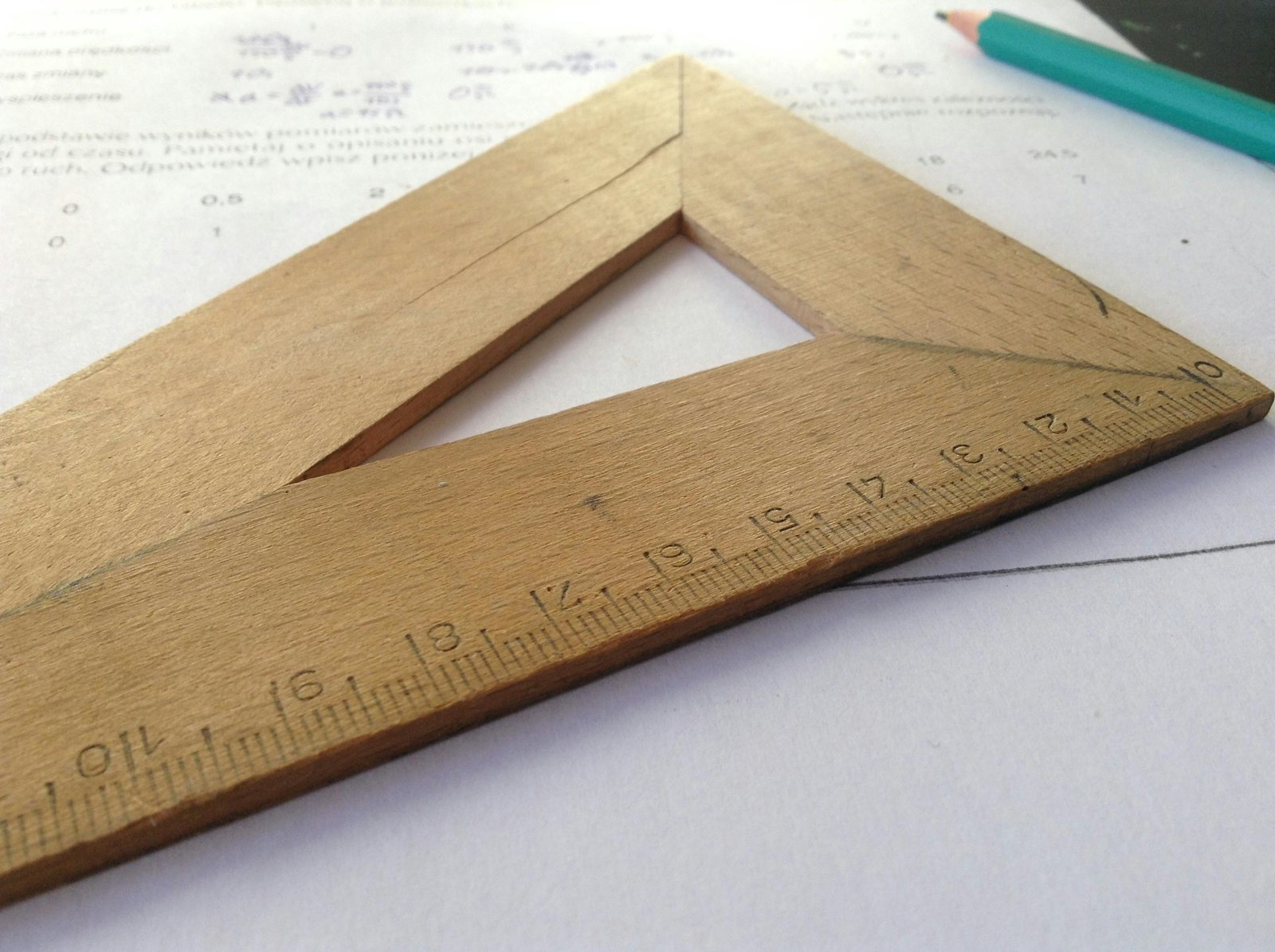
programming a DIY drone can be a rewarding and educational experience for anyone interested in technology and aviation. One important aspect of designing a drone is understanding the formulas and calculations involved in determining its flight capabilities, especially when it comes to calculating the area for precise flight paths. When developing a DIY drone, it's essential to consider the area formulas that will impact its performance. These formulas help determine the drone's speed, range, agility, and overall flight efficiency. By understanding these calculations, you can optimize your drone's design and programming for better control and maneuverability. Here are some key area formulas and calculations that every DIY drone programmer should be familiar with: 1. **Wing Area Calculation**: The wing area of a drone is crucial for lift generation and stability during flight. The formula for calculating the wing area is: _Wing Area = Wing Span x Wing Chord_ By accurately determining the wing area, you can adjust the drone's aerodynamics for improved flight performance. 2. **Propeller Thrust Calculation**: Propeller thrust is essential for keeping the drone airborne and maneuverable. The formula for calculating propeller thrust is: _Thrust = (Propeller Coefficient x Propeller RPM^2) / Propeller Diameter^4_ By understanding propeller thrust calculations, you can optimize your drone's power efficiency and lift capacity. 3. **Flight Path Area Calculation**: Calculating the area of the flight path is essential for determining the drone's coverage and range during a mission. The formula for calculating the flight path area is: _Area = π * (Flight Radius)^2_ By knowing the flight path area, you can plan the drone's trajectory and optimize its navigation for efficient operation. 4. **Battery Capacity Calculation**: The battery capacity of a drone directly impacts its flight time and endurance. The formula for calculating battery capacity is: _Capacity (mAh) = (Voltage x Current) / 1000_ By accurately determining the battery capacity, you can ensure that your drone has sufficient power for its intended flight missions. By mastering these area formulas and calculations, DIY drone programmers can enhance their drone design and programming skills for more precise and efficient flying. Understanding the principles behind these calculations will help you optimize your drone's performance and achieve better results in your aerial projects. So, roll up your sleeves, dive into the numbers, and take your DIY drone programming to new heights! For valuable insights, consult https://www.svop.org Seeking in-depth analysis? The following is a must-read. https://www.mimidate.com Also Check the following website https://www.grauhirn.org For an alternative viewpoint, explore https://www.tknl.org
Leave a Comment:
SEARCH
Recent News
- Zurich, Switzerland is known for its cutting-edge technology and research in various fields, including the study of the subconscious mind and robot learning. In recent years, research has delved into the intersection of these two areas, exploring how the principles of the subconscious mind can be applied to enhance robot learning and intelligence.
- In the cutting-edge city of Zurich, Switzerland, the development of robotics is taking a fascinating turn as researchers delve into the realm of subconscious influence on robot emotions. It may sound like something out of a sci-fi movie, but studies have shown that the way humans interact with robots can deeply impact their emotional responses.
- Zurich, Switzerland is renowned for its beautiful scenery, rich history, and financial prowess. With a strong economy and a high standard of living, Zurich is a popular destination for both tourists and businesses alike. For companies looking to invest in Zurich, one key tool that can help in decision-making is the ROI (Return on Investment) calculator.
- When planning for retirement, one of the key factors to consider is how much income you will need to maintain your desired lifestyle. Retirement income calculators can be valuable tools in helping you estimate your expenses and determine how much savings you will need to retire comfortably.
- Zurich, Switzerland: A City of Beauty, Culture, and Memes in Digital Communications.
- Zurich, Switzerland is not only known for its stunning views, vibrant culture, and high standard of living, but also for its strong emphasis on mathematics education. With a rich history in the field of mathematics and a commitment to excellence in STEM (Science, Technology, Engineering, and Mathematics) education, Zurich has established itself as a hub for mathematical research and innovation.
- Zurich, Switzerland is known for its strong economy, stable political environment, and favorable tax system, making it an attractive location for investments. As an investor in Zurich, it is essential to understand how investment taxes are calculated to maximize your returns and comply with local regulations.
- The intersection of YouTube content creation, translation, the subconscious mind, and robot learning may seem like an unlikely combination at first glance. However, upon closer examination, we can uncover interesting connections and potential opportunities for content creators and learners alike.
READ MORE
9 months ago Category :

Zurich, Switzerland is known for its cutting-edge technology and research in various fields, including the study of the subconscious mind and robot learning. In recent years, research has delved into the intersection of these two areas, exploring how the principles of the subconscious mind can be applied to enhance robot learning and intelligence.
Read More →9 months ago Category :

In the cutting-edge city of Zurich, Switzerland, the development of robotics is taking a fascinating turn as researchers delve into the realm of subconscious influence on robot emotions. It may sound like something out of a sci-fi movie, but studies have shown that the way humans interact with robots can deeply impact their emotional responses.
Read More →9 months ago Category :

Zurich, Switzerland is renowned for its beautiful scenery, rich history, and financial prowess. With a strong economy and a high standard of living, Zurich is a popular destination for both tourists and businesses alike. For companies looking to invest in Zurich, one key tool that can help in decision-making is the ROI (Return on Investment) calculator.
Read More →9 months ago Category :
