Travel: Definition, Concept Clarification, Area Formulas, and Calculation
Category : | Sub Category : Posted on 2024-10-05 22:25:23
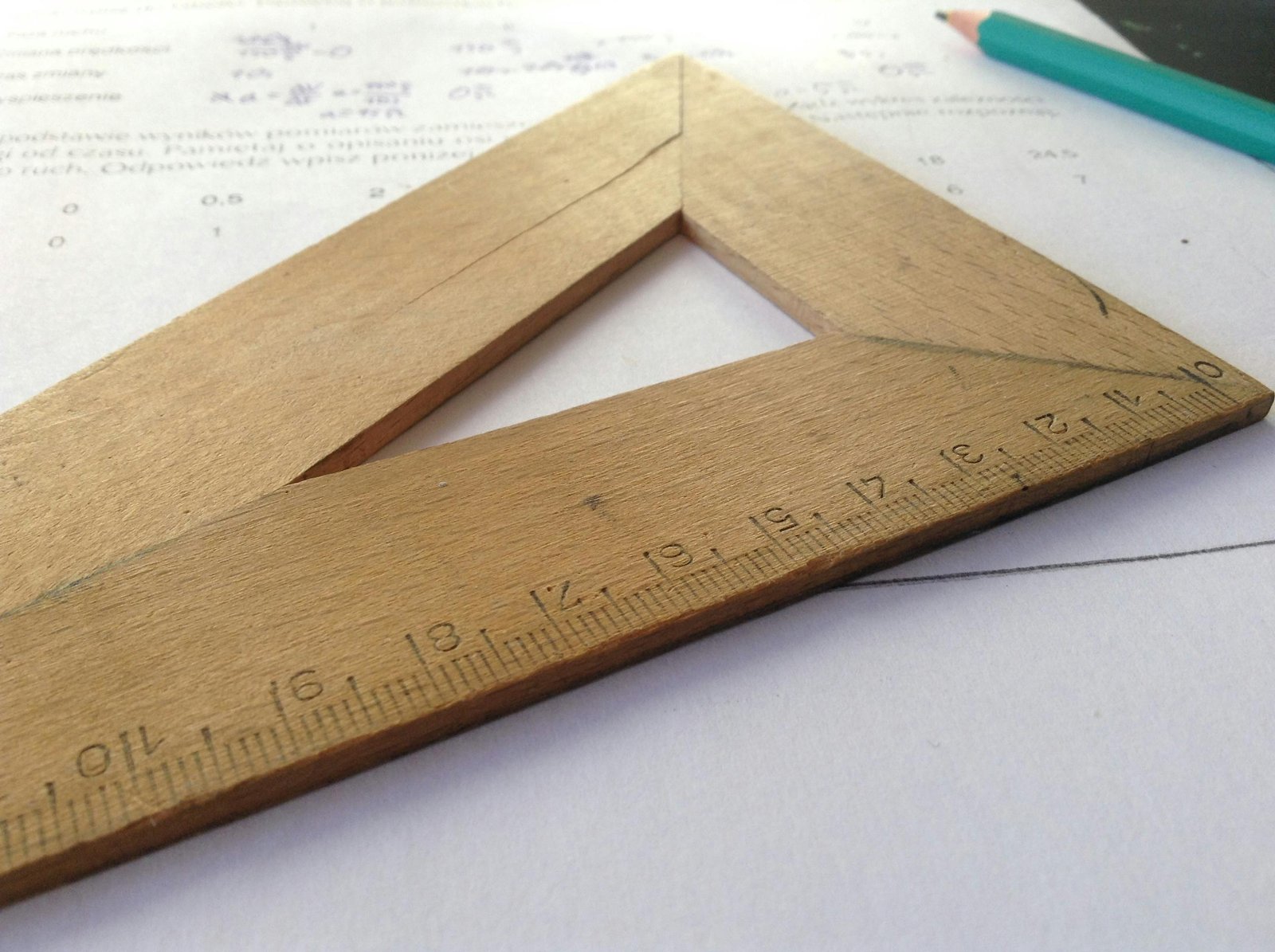
travel is a term that evokes a sense of excitement, adventure, and exploration. It involves the act of moving from one place to another, often for leisure, business, or educational purposes. However, the concept of travel goes beyond merely changing locations; it encompasses a deepening understanding of different cultures, landscapes, and ways of life. When we think of travel, we often envision visiting exotic destinations, trying new foods, and experiencing different traditions. It allows us to step out of our comfort zones, push boundaries, and expand our horizons. Travel enables personal growth, broadens perspectives, and fosters connections with people from diverse backgrounds. In a more practical sense, travel involves planning, organizing, and navigating transportation, accommodation, and activities. It requires budgeting, logistical coordination, and adaptability to unforeseen circumstances. Whether embarking on a solo journey, a family vacation, or a group expedition, travel demands careful consideration and preparation. One aspect of travel that often requires calculation is determining the area of a destination. Whether you're estimating the size of a country for itinerary planning or calculating the dimensions of a hotel room, understanding area formulas can be helpful. Here are some common area formulas and how they can be applied in the context of travel: 1. Area of a Rectangle: The formula for calculating the area of a rectangle is length x width. When booking a hotel room, knowing the dimensions can help you visualize the space and plan your stay accordingly. 2. Area of a Circle: The formula for calculating the area of a circle is π x radius^2. If you're visiting a circular landmark or attraction, such as the Colosseum in Rome, calculating its area can provide insight into its size and significance. 3. Area of a Triangle: The formula for calculating the area of a triangle is 1/2 x base x height. When exploring a mountainous region and considering hiking trails, understanding the area of triangular peaks can inform your route selection. By integrating area formulas into your travel planning, you can enhance your spatial awareness, optimize your itinerary, and appreciate the geographical context of your destinations. Whether you're embarking on a sightseeing tour, a cultural immersion, or a recreational adventure, understanding the concept of travel and applying mathematical formulas can enrich your overall experience. In conclusion, travel is not just about going places; it's about embracing new perspectives, making meaningful connections, and gaining insights into the world around us. By clarifying the concept of travel, leveraging area formulas, and engaging in thoughtful calculation, we can make the most of our journeys and create lasting memories. Happy travels! visit: https://www.topico.net Click the following link for more https://www.definir.org
Leave a Comment:
SEARCH
Recent News
- Zurich, Switzerland is known for its cutting-edge technology and research in various fields, including the study of the subconscious mind and robot learning. In recent years, research has delved into the intersection of these two areas, exploring how the principles of the subconscious mind can be applied to enhance robot learning and intelligence.
- In the cutting-edge city of Zurich, Switzerland, the development of robotics is taking a fascinating turn as researchers delve into the realm of subconscious influence on robot emotions. It may sound like something out of a sci-fi movie, but studies have shown that the way humans interact with robots can deeply impact their emotional responses.
- Zurich, Switzerland is renowned for its beautiful scenery, rich history, and financial prowess. With a strong economy and a high standard of living, Zurich is a popular destination for both tourists and businesses alike. For companies looking to invest in Zurich, one key tool that can help in decision-making is the ROI (Return on Investment) calculator.
- When planning for retirement, one of the key factors to consider is how much income you will need to maintain your desired lifestyle. Retirement income calculators can be valuable tools in helping you estimate your expenses and determine how much savings you will need to retire comfortably.
- Zurich, Switzerland: A City of Beauty, Culture, and Memes in Digital Communications.
- Zurich, Switzerland is not only known for its stunning views, vibrant culture, and high standard of living, but also for its strong emphasis on mathematics education. With a rich history in the field of mathematics and a commitment to excellence in STEM (Science, Technology, Engineering, and Mathematics) education, Zurich has established itself as a hub for mathematical research and innovation.
- Zurich, Switzerland is known for its strong economy, stable political environment, and favorable tax system, making it an attractive location for investments. As an investor in Zurich, it is essential to understand how investment taxes are calculated to maximize your returns and comply with local regulations.
- The intersection of YouTube content creation, translation, the subconscious mind, and robot learning may seem like an unlikely combination at first glance. However, upon closer examination, we can uncover interesting connections and potential opportunities for content creators and learners alike.
READ MORE
8 months ago Category :

Zurich, Switzerland is known for its cutting-edge technology and research in various fields, including the study of the subconscious mind and robot learning. In recent years, research has delved into the intersection of these two areas, exploring how the principles of the subconscious mind can be applied to enhance robot learning and intelligence.
Read More →8 months ago Category :

In the cutting-edge city of Zurich, Switzerland, the development of robotics is taking a fascinating turn as researchers delve into the realm of subconscious influence on robot emotions. It may sound like something out of a sci-fi movie, but studies have shown that the way humans interact with robots can deeply impact their emotional responses.
Read More →8 months ago Category :

Zurich, Switzerland is renowned for its beautiful scenery, rich history, and financial prowess. With a strong economy and a high standard of living, Zurich is a popular destination for both tourists and businesses alike. For companies looking to invest in Zurich, one key tool that can help in decision-making is the ROI (Return on Investment) calculator.
Read More →8 months ago Category :
