Community gardens have become increasingly popular in urban areas as people seek to connect with nature, grow their own food, and foster a sense of community. One essential aspect of community gardening is having the right tools for the job. In this blog post, we will explore some common garden tools used in community gardens and discuss how area formulas and calculations can help maximize the productivity of these green spaces.
Category : | Sub Category : Posted on 2024-10-05 22:25:23
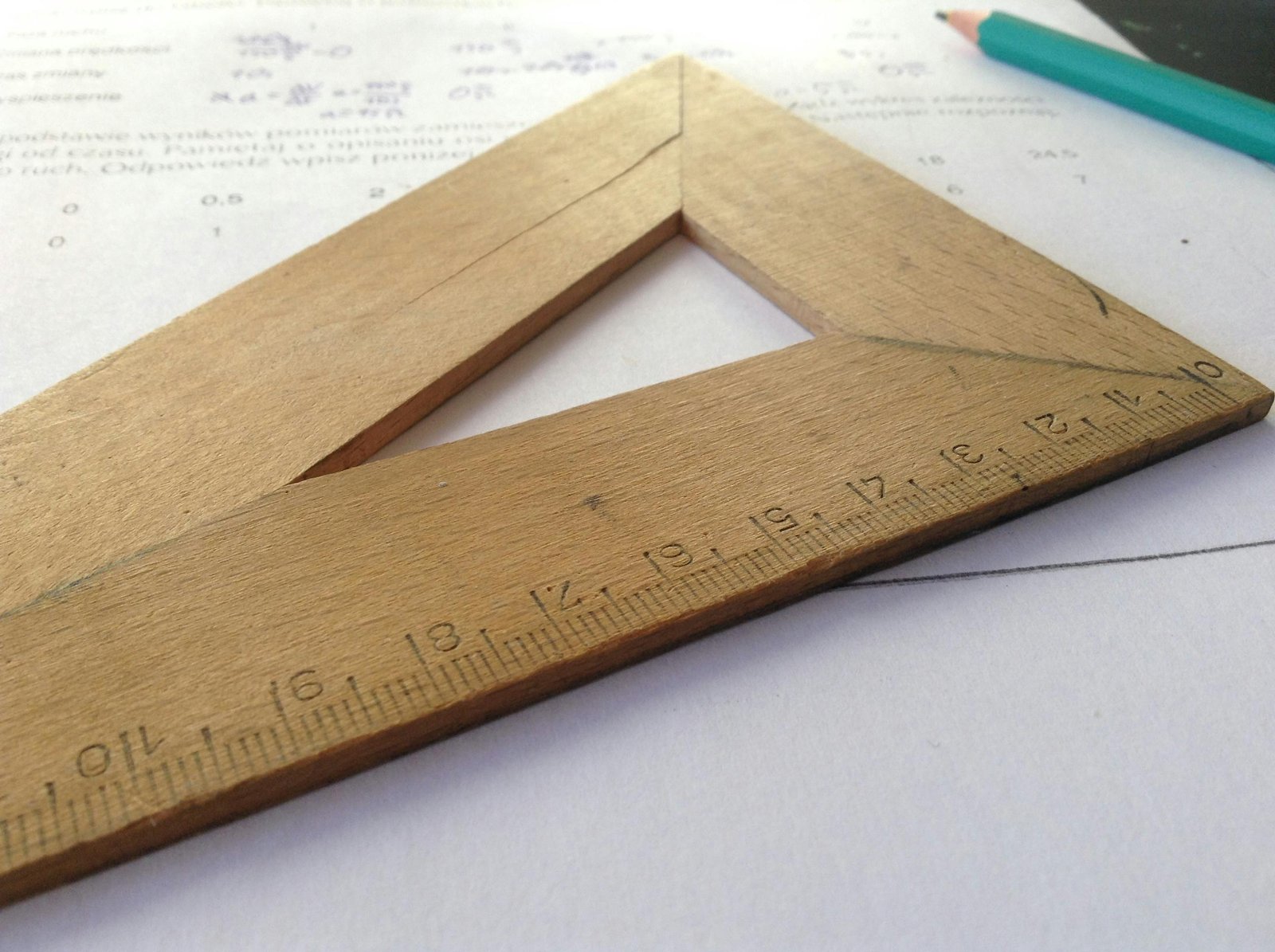
### garden tools for Community Gardens 1. **Shovels**: Shovels come in various shapes and sizes, including square-point, round-point, and spades. They are essential for turning over soil, digging holes for planting, and moving materials around the garden. 2. **Rakes**: Rakes are used for leveling soil, removing debris, and spreading mulch. They come in handy for maintaining the garden beds and pathways. 3. **Hand Trowels**: Hand trowels are small handheld tools used for planting seeds, transplanting seedlings, and weeding. They are indispensable for fine-tuning the planting beds. 4. **Pruners**: Pruners are essential for trimming plants, cutting back overgrown vegetation, and harvesting produce. They come in different types, including bypass and anvil pruners, each suitable for specific tasks. 5. **Watering Cans or Hoses**: A reliable watering system is crucial for the success of a community garden. Whether using watering cans or hoses, ensuring that plants receive adequate moisture is vital for healthy growth. ### Area Formulas and Calculations for Community Gardens When it comes to planning and maximizing the space in a community garden, understanding area formulas and calculations can be beneficial. Here are some key formulas to consider: 1. **Area of a Rectangular Bed**: To calculate the area of a rectangular garden bed, simply multiply the length by the width. For example, if a garden bed is 4 feet wide and 8 feet long, the area would be 32 square feet (4 ft x 8 ft). 2. **Area of a Circular Bed**: To find the area of a circular garden bed, use the formula: Area = πr^2, where r is the radius of the circle. For instance, if a circular bed has a radius of 5 feet, the area would be approximately 78.5 square feet. 3. **Spacing between Plants**: Determining the right spacing between plants is essential to ensure they have adequate room to grow. Consider factors such as plant size, growth habit, and spacing recommendations on seed packets when planning your garden layout. By utilizing the appropriate garden tools and incorporating area formulas and calculations into the planning process, community gardens can thrive and provide a sustainable source of fresh produce for participants. Remember, a well-equipped and efficiently managed community garden is not only beneficial for the environment but also fosters a sense of camaraderie and shared responsibility among members.
Leave a Comment:
SEARCH
Recent News
- Zurich, Switzerland is known for its cutting-edge technology and research in various fields, including the study of the subconscious mind and robot learning. In recent years, research has delved into the intersection of these two areas, exploring how the principles of the subconscious mind can be applied to enhance robot learning and intelligence.
- In the cutting-edge city of Zurich, Switzerland, the development of robotics is taking a fascinating turn as researchers delve into the realm of subconscious influence on robot emotions. It may sound like something out of a sci-fi movie, but studies have shown that the way humans interact with robots can deeply impact their emotional responses.
- Zurich, Switzerland is renowned for its beautiful scenery, rich history, and financial prowess. With a strong economy and a high standard of living, Zurich is a popular destination for both tourists and businesses alike. For companies looking to invest in Zurich, one key tool that can help in decision-making is the ROI (Return on Investment) calculator.
- When planning for retirement, one of the key factors to consider is how much income you will need to maintain your desired lifestyle. Retirement income calculators can be valuable tools in helping you estimate your expenses and determine how much savings you will need to retire comfortably.
- Zurich, Switzerland: A City of Beauty, Culture, and Memes in Digital Communications.
- Zurich, Switzerland is not only known for its stunning views, vibrant culture, and high standard of living, but also for its strong emphasis on mathematics education. With a rich history in the field of mathematics and a commitment to excellence in STEM (Science, Technology, Engineering, and Mathematics) education, Zurich has established itself as a hub for mathematical research and innovation.
- Zurich, Switzerland is known for its strong economy, stable political environment, and favorable tax system, making it an attractive location for investments. As an investor in Zurich, it is essential to understand how investment taxes are calculated to maximize your returns and comply with local regulations.
- The intersection of YouTube content creation, translation, the subconscious mind, and robot learning may seem like an unlikely combination at first glance. However, upon closer examination, we can uncover interesting connections and potential opportunities for content creators and learners alike.
READ MORE
8 months ago Category :

Zurich, Switzerland is known for its cutting-edge technology and research in various fields, including the study of the subconscious mind and robot learning. In recent years, research has delved into the intersection of these two areas, exploring how the principles of the subconscious mind can be applied to enhance robot learning and intelligence.
Read More →8 months ago Category :

In the cutting-edge city of Zurich, Switzerland, the development of robotics is taking a fascinating turn as researchers delve into the realm of subconscious influence on robot emotions. It may sound like something out of a sci-fi movie, but studies have shown that the way humans interact with robots can deeply impact their emotional responses.
Read More →8 months ago Category :

Zurich, Switzerland is renowned for its beautiful scenery, rich history, and financial prowess. With a strong economy and a high standard of living, Zurich is a popular destination for both tourists and businesses alike. For companies looking to invest in Zurich, one key tool that can help in decision-making is the ROI (Return on Investment) calculator.
Read More →8 months ago Category :
